Sunday, July 30, 2006

Books, books everywhere

In the last month I've started six books and finished none: Six Easy Pieces (Richard Feynman), The Pickwick Papers (Charles Dickens), Cosmos and Psyche (Richard Tarnas), The Kite Runner (Khaled Hosseini), The Amazing Adventures of Kavalier and Clay (Michael Chabon) and Collapse (Jared Diamond).

Nothing's grabbing me. (Well, I got squeamish about The Kite Runner, which I attribute to a year of reading Sikram Veth, Rohinton Mistry and Shyam Selvadurai novels -- I could not put them down but they were traumatizing to read -- ; and Cosmos and Psyche was recalled by the library before I even cracked it open.)

I am becalmed, à la "The Rime of the Ancient Mariner."


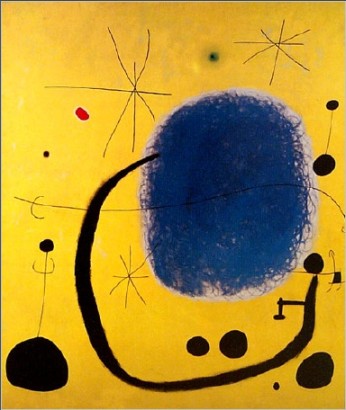
Joan Miró, The Gold of the Azure


Halbot K. Browne (Phiz), Mr. Pickwick Slides


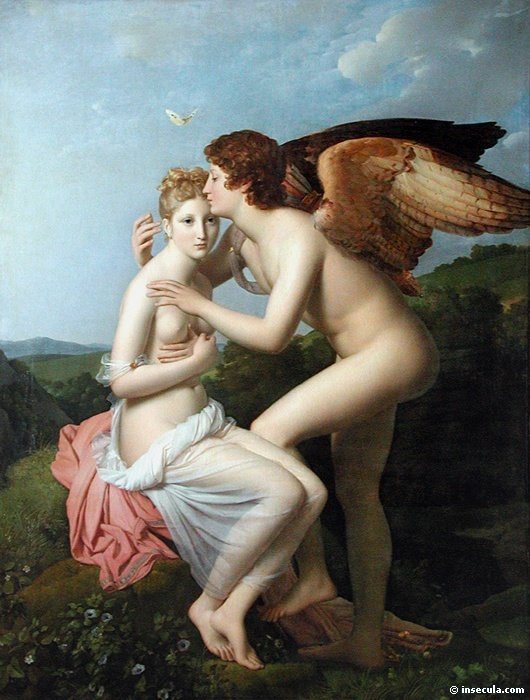
François Gérard, Cupid and Psyche


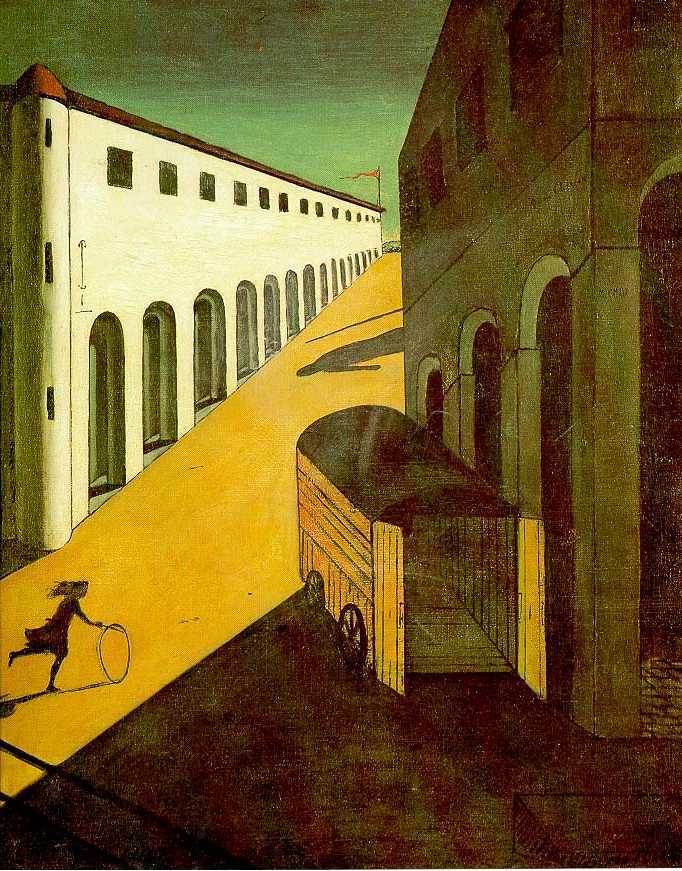
Giorgio de Chirico, Melancholy and Mystery of a Street

Roy Lichtenstein, Wham

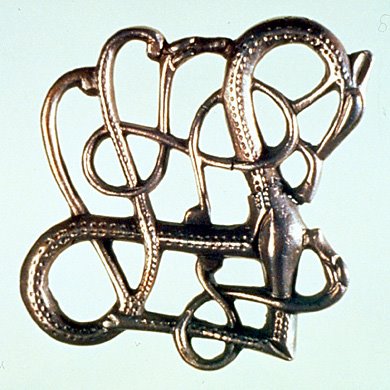
Viking Urnes brooch, ca. 1100

Monday, May 22, 2006

Dress Your Best: The Complete Guide to Finding the Style That’s Right for Your Body, Clinton Kelly and Stacy London

(May 15) Fun. I have gotten on a kick of watching What Not to Wear on Friday nights while wrestling the dog, and have slowly learned there’s a science to choosing clothes. Dress Your Best is mostly images with magazine-style cutlines and bullet points, not a book, really, but it gave me an awareness of the visual aesthetic of clothing that reminded me of learning the compositional aesthetic of The Oath of the Horatii in art history (only quicker).

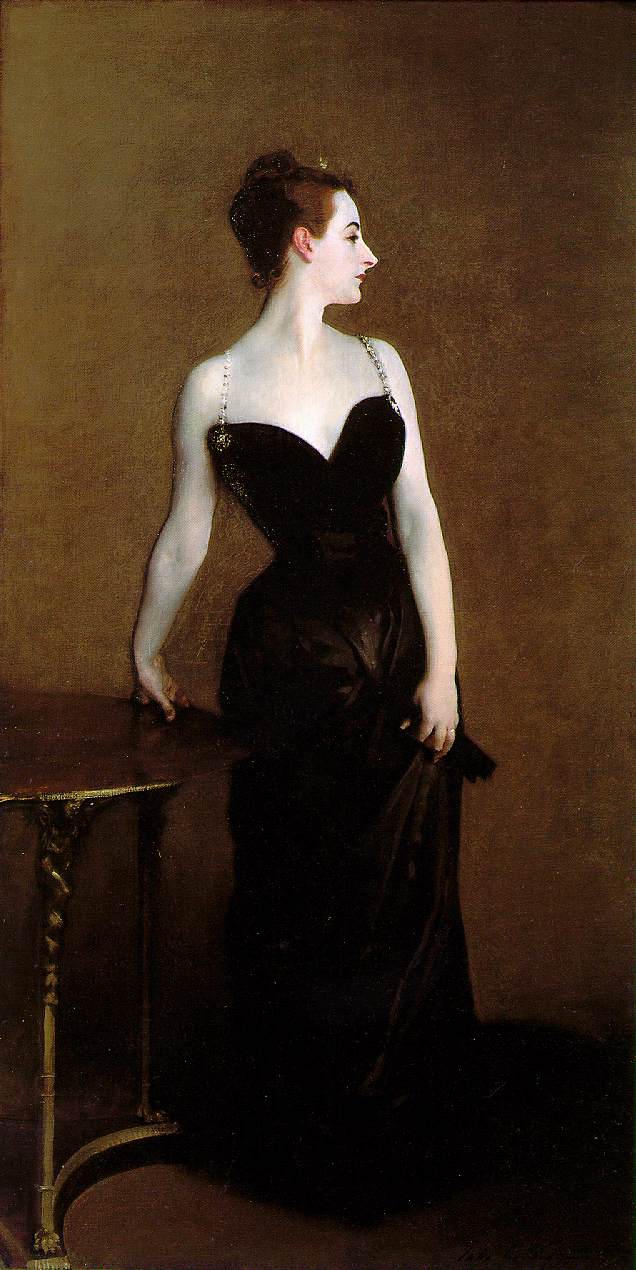
Now, would Stacy and Clinton say that Madame X is dressed appropriately? Oh, I think so.


-- John Singer Sargent, Madame X

The Time Traveler’s Wife, Audrey Niffenegger

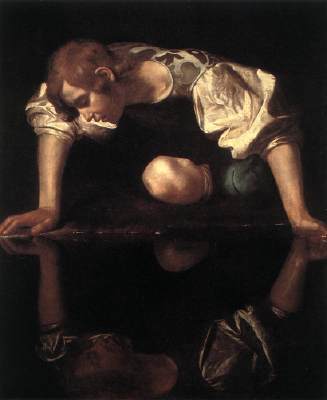
(May 7, 2006) Good read. I really liked it. I haven’t read a lot of time-travel novels (just the Diana Gabaldon books), but I feel like I know the genre from movies (Groundhog Day, Time Bandits, Austin Powers, Back to the Future, Lola Rennt, Peggy Sue Got Married, Somewhere in Time, Terminator, Prisoner of Azkaban) and TV (Quantum Leap, Mr. Peabody, Star Trek, Twilight Zone, Outer Limits), and I think that this was a very innovative approach to time-travelling. I like how she schemed it all out, so that for a while Henry knows more than Clare, then Clare knows more than Henry, and at almost every encounter one of them is surprised and one of them knows what’s going on. Despite this constant dislocation, both always know some of the “back story” and can guide the other through. The characters are very likable, and they do the harmless things you’d do if you had this kind of relationship with time -- they get a lottery win, they play the stock market, they get prepared for September 11th. It’s clever and imaginative. It gets a bit gruesome at the end, but Niffenegger must have felt that she couldn’t wind up the whole thing too happily.

-- Caravaggio, Narcissus

When the Body Says No: The Cost of Hidden Stress, Gabor Maté

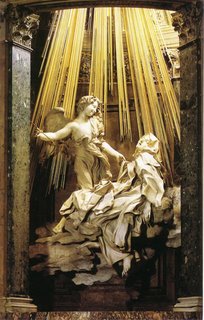
(May 1) Bittersweet: “sweet” because it confirms my own amateur observations; “bitter” because I feel like a ticking time bomb now, lol (the word I really need instead of “bittersweet” is “vindicating-scary”). Maté is completely convincing with his thesis that autoimmune diseases are caused by inappropriate responses to stress (repression, resentment, overcompensation, etc.). I am so convinced and have internalized the theory so thoroughly that my own reaction to a news story I heard the other day surprised me. The story reported how raloxifene is showing better results than tamoxifen in treating breast cancer, and my reflex reaction was, “Why are researchers wasting our time with these finger-in-the-dike drugs?” It was, to me, so clearly a big waste of time and money to do this kind of research -- yet I realize this is an impious reaction to “good news.” But I also know that the relationship between emotions and cancer will never galvanize people, neither researchers nor victims -- it’s too “unscientific,” no matter how many studies prove it.

-- Gian Lorenzo Bernini, The Ecstasy of St. Theresa

Housekeeping, Marilynne Robinson

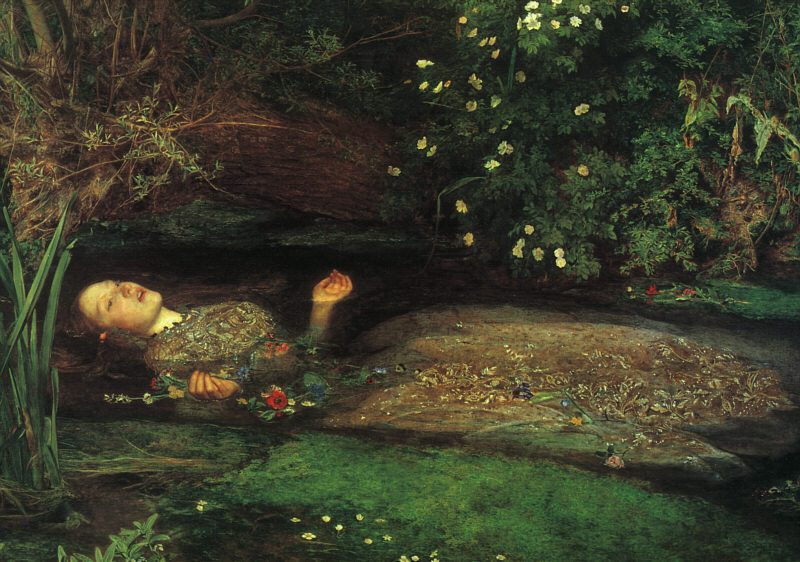
(May 30) Hmm. I got this out of the library because I liked Gilead so much and because several reviews of Gilead harked back reverently to the predecessor, Housekeeping, as an amazing book. My expectations were very high, and they were not met at all, at all, at all. This is one of those books in which semi-insane people float around lyrically, occasionally noticing details of their environments. Because what they do is so aimless, it’s hard to bond with such characters. I don’t find myself looking forward to “what will happen next” -- it could be anything (shrug) . The word “cold” must appear on every page.

-- John Everett Millais, Ophelia


"Brokeback Mountain," Annie Proulx

Disquieting. I haven’t seen the movie, but I kept running into reviews that called the original short story “haunting,” the “most powerful love story I’ve ever read,” “a tale of star-crossed lovers,” etc. I found the story brutal -- there’s violence, suffered by the characters themselves and featured in their stories about other people, the characters are in extreme denial and don’t have much to live for, and the narrator’s attitude toward them is sort of cold and clinical. I can’t believe the movie treats them this way -- Jack and Ennis couldn’t have remained the blank slates they are in the short story for the whole two hours of a movie; nobody would stay till the end. And even though there is star-crossedness, there’s no catharsis, no real tragedy, because there’s no effort on anybody’s part to challenge his dismal existence, and no awareness that it even is dismal. I don’t know why Jack and Ennis fall so profoundly in love; one minute they aren’t in love, the next minute they are. All I know is that these are very sad lives, and that it was not a good thing to be gay in Wyoming in the ’60s through ’80s.


-- Daniel Brown, See You Tonight for Supper

The Trail of the Lonesome Pine, John Fox, Jr.

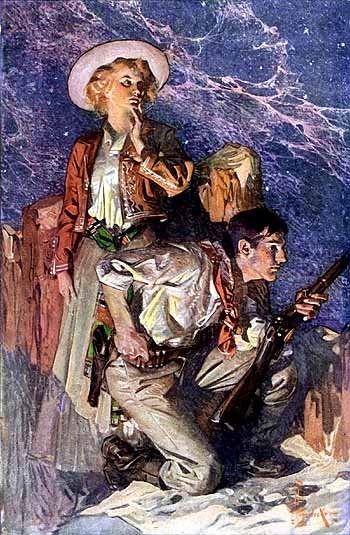
Charming, involving, but peculiar. I was a bit surprised by what this turned out to be. When it was mentioned in Gilead, it sounded like it might be about two men, one older, vying for the love of a young woman. That premise would have had some bearing on the love relationship and the conflict in Gilead if it were entirely the case. But, really, The Trail of the Lonesome Pine is a twist on the Pygmalion story, with the Eliza Doolittle character symbolizing Kentucky’s pre-industrial wilderness paradise. The age difference between the principal characters is completely different from that in Gilead: it’s slightly disturbing that Jack Hale falls in love with June at her young age. On the other hand, it strikes me as something you’d get away with in 1908, as well as with the usual anachronisms, such as the old-fashioned terms and turns of phrase and the unenlightened attitudes about class and race.

It’s quirky because it’s from 1908, but the author’s also quirky. The pacing is very uneven -- you can tell that Fox wove a fictional narrative around scenes he actually witnessed among mountain people -- he dwells on some moments with a vividness that is out of all proportion to their importance in the story while paying bare lip-service to moments that should be dramatic in the alleged story. He also has an odd way with a phrase every once in a while: he’ll write a sentence backward: “The longest of her life was that day to June,” or he’ll open a chapter in a funny, detached way: “Spring was coming: and, meanwhile, that late autumn and short winter, things went merrily on at the gap in some ways, and in some ways -- not,” or he’ll describe something bizarrely: “The Hoosier was delirious over his troubles and straightway closed his plant.” He shifts point of view frequently and without warning.

Still, I liked it a lot; I even ordered a fairy stone from www.highhopes.com.
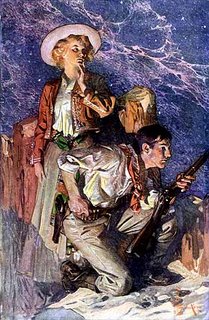
-- J.C. Leyendecker, The Watchers of the Plains
Live the Life You Love: in Ten Easy Step-By-Step Lessons, Barbara Sher

A very encouraging book. This was a re-read for me. I read it a few years ago but never practiced any of the principles; I got it out of the library again because I recalled some good advice about setting priorities and de-cluttering that I would probably benefit from if I followed it. However, it’s just too file-card-heavy a system, and I will never keep it up. Nonetheless, it is fun to read -- Sher has a bracing, encouraging attitude that everyone is capable of great things, and she has a charming, chatty style that goes down easy. It is the perfect voice/style for this kind of thing.

-- A Mon Seul Désir, early 15th-century French master

Friday, May 19, 2006

Thirteen Ways of Looking at the Novel, Jane Smiley

Very interesting. It addresses some of the gaps I felt in university English classes: I imagined that in university we would examine what it was that made poetry and prose great, powerful, whatever, and how the artist achieved the effects he did (it was always “he” then). Of course, we never did look at those things; courses were usually historical surveys and we were supposed to analyze technique fairly dispassionately. So Smiley has opinions on what I think are some really interesting aspects of how novels are written and how they achieve their effects -- such as the relative entertainment value of the first-person narrator vs. the omniscient narrator, etc.

It was a bit of a shock after 10 chapters on the features of 100 well-known novels to turn to two chapters on how to write a novel. I was not expecting the DIY aspect.

I had never heard of Jane Smiley before hearing of this book, but don’t want to read any of her novels now -- perhaps because they’re thoroughly autopsied here. She did make me want to read Madame de La Fayette’s The Princess of Clèves and Alice Munro’s Lives of Girls and Women.
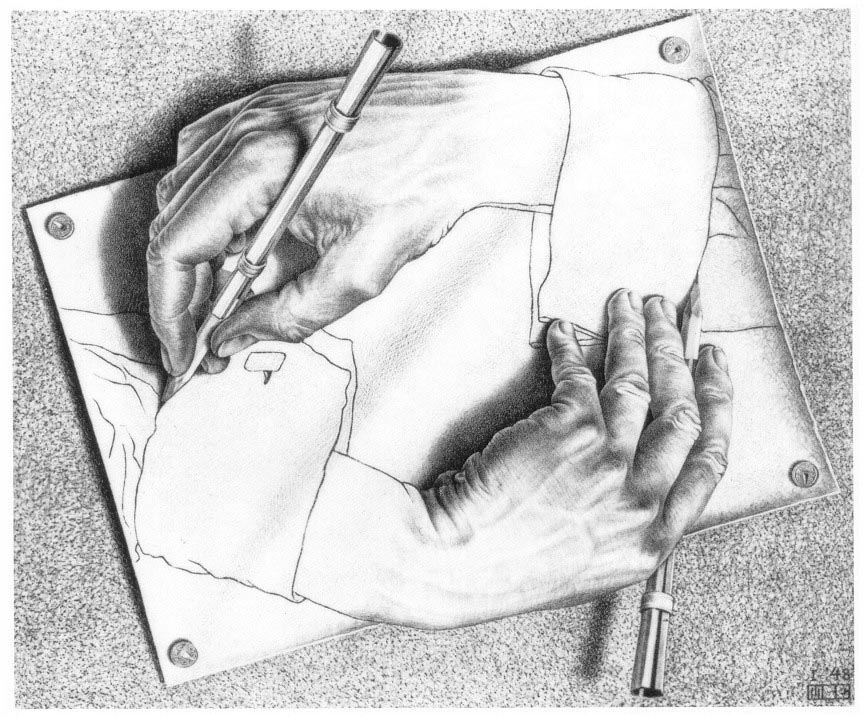
-- M.C. Escher, Drawing Hands

Gilead, Marilynne Robinson

This is a lovely, winsome, “restorative” kind of book. It was wonderful to share consciousness with the narrator of this book, who is such a gentle, well-intentioned individual that your heart wells up with pride that the human race could produce such a worthy specimen. Experiencing this book is like being given a warm coat when you’re freezing, or a soft bed when you’re exhausted, etc. -- it’s nourishing or strengthening somehow. The creation of this character is amazing -- it never for a minute feels untrue, and yet a paragon such as this could never exist. It’s several days since I finished Gilead, and I am only now struck by how artificially structured the story is (to create the contrasts of good and evil that the author is obviously interested in). It felt real and true throughout, and compelling. I want to read Housekeeping now, and also The Trail of the Lonesome Pine.


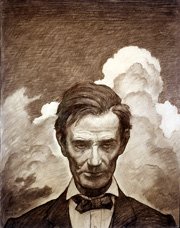
-- N.C. Wyeth, Portrait of Lincoln

Friday, May 12, 2006

The Sparrow: A Novel, Mary Doria Russell

Good read. I started reading this simultaneously with Gilead, and this won out. The premise is interesting, the storytelling is vivid and the characters are so likable. In fact, I don’t know why I kept reading, since you learn early on that only one of the group of eight survives. I guess that’s a sign of how likable the characters are -- I couldn’t let them go even though I could see I was going to lose them one by one to gruesome deaths. I enjoyed this book, but I’ve had my fill of torture and gruesome death for a while. I will not be reading the sequel to this.

-- Ferdinand Hodler, Night

The Biology of Belief: Unleashing the Power of Consciousness, Matter and Miracles, Bruce H. Lipton

The author loves histology and is probably a good teacher, and probably has made a breakthrough in the understanding of cell biology... but the editing and copy-editing of this book leave a lot to be desired.


-- Paul Plante, Northern Cardinal

Thursday, April 27, 2006

The Spirit Catches You and You Fall Down, Anne Fadiman

Fascinating. I would recommend this book highly to anyone. However, it bothered me throughout that Fadiman didn’t explain what she was doing or why; she simply provided a description of what appeared to be an investigation of some kind. This was especially odd since she offered extraneous personal details of other kinds to animate her scenes. But she never said to the reader or the interviewees: “I’m trying to find out more about Hmong culture” or “I’m a professor of medicine investigating what went wrong at this hospital” or “I’m a human rights lawyer following up on a complaint,” etc., all of which she could have been doing.


-- Hmong embroidery (from a private collection)

I, Claudius, Robert Graves

Very enjoyable. I was put off by glimpses of the swanning BBC series 30 years ago and so never read it till now. As it turns out, there are soap opera elements and a lot of gore, but these are redeemed by the interesting presentation of Roman history and daily life, and by Graves’ clever explanations of vexing historical anomalies. Will I go on to read Claudius the God, though?


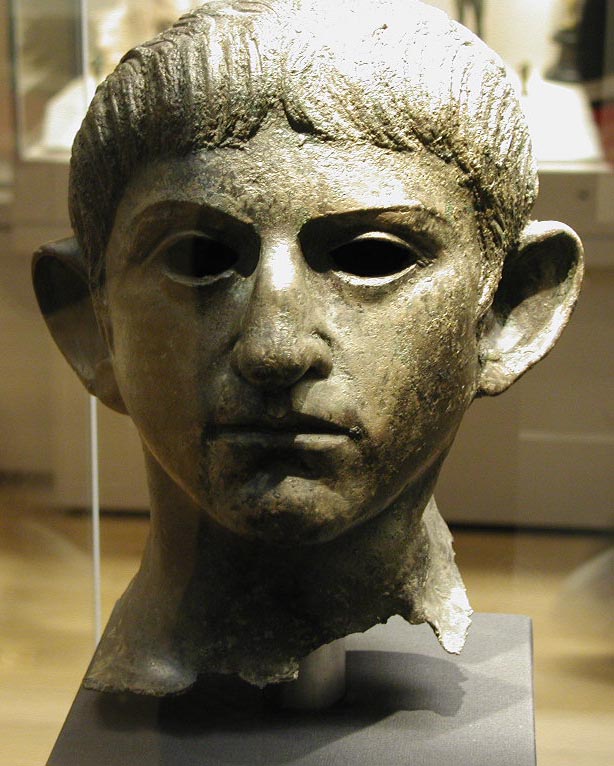
-- Claudius (British Museum)

Divine Secrets of the Ya-Ya Sisterhood, Rebecca Wells

Yuck. I read this because Malcolm Gladwell said it took the U.S. by storm, and I realized it had been made into a movie, and so concluded that it must have something compelling about it. But no. It is nowhere near as good as Gladwell made it seem [see “claims” below]. It’s written by someone who obviously really loves Louisiana but is unable to find a way to make the reader experience the place.


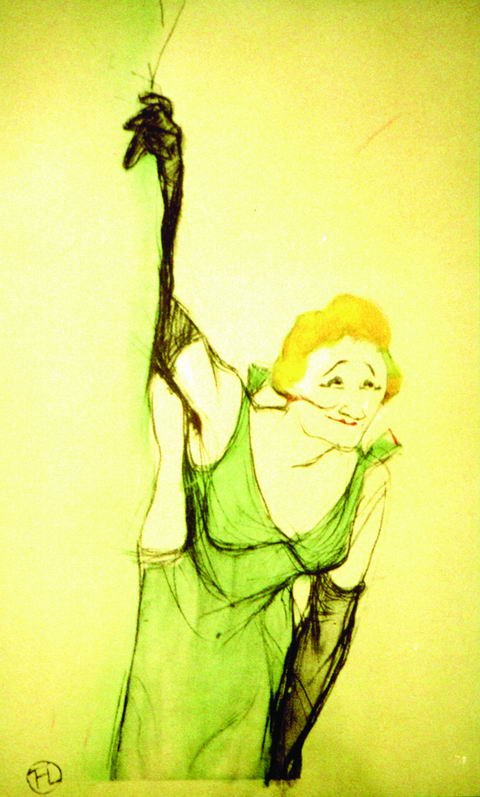
-- Henri de Toulouse-Lautrec, Yvette Guilbert

The Tipping Point, Malcolm Gladwell

As with Blink, the material assembled for this book is fascinating, but I thought the thesis was not as focused and coherent as in Blink, and there were a couple of questionable claims made (regarding the importance and profoundness of The Divine Secrets of the Ya-Ya Sisterhood, for example). The research on the perfect size for corporations and on how people's behaviour is related to the care lavished on their environment were the most interesting insights to me.

-- Gary Dumbrill, Surplus Labour

Blink, Malcolm Gladwell

Excellent. He deals with a lot of the myths and folklore surrounding first impressions, gut reactions and so on, and shows under what conditions these spontaneous judgements make sense and are valuable, and when they should be tempered with careful review or discarded altogether. You really see the world differently afterwards, just like the publicity promises, lol.


-- Edgar Rubin, Vase

The Sociopath Next Door, Martha Stout

Very interesting. Stout defines “conscience” convincingly as attachment to other people, or, basically, the ability to love and be loved. She then offers evidence that 4 per cent of the population are born without the ability to love or be attached, and they are our sociopaths, carrying out agendas that range from the relatively harmless to the unspeakably criminal, all under the impression that everyone is like them. If she is correct, there is no point feeling sorry for serial killers, rapists, child abusers, etc., or trying to rehabilitate or psychoanalyze them -- it’s not that they come from unhappy backgrounds that they are the way they are: they simply think that people with consciences are chumps.

Strangely, from my point of view, Stout spends a lot of time comforting us “normal” people with the assurance that it is better to have a conscience and know love than to be a scheming materialist who will never know it. I don’t see why she hastens to console -- why would anyone want to be more ruthless and cold-hearted than they already are, or envy those who are? We all think we’d like to thrash our way to the top and be rulers with absolute power, but would we really give up love to have that?


-- Alex Colville, Pacific

Prodigal Summer, Barbara Kingsolver

It’s not as good as Poisonwood Bible, lol -- poor Kingsolver must be tired of all her books having to live up to PB, whether they were written before it or not.

Here there are three or four interrelated stories which are all carefully crafted to show how people are like plants (or, in one case, animals) -- they need a good environment, a sex life, maybe a trellis -- and the clever intertwining of these stories is set in a lush and evocative landscape, so it is an aesthetically pleasing read. The symbolism’s a bit too pat, though.


-- Henri Rousseau, Le rêve